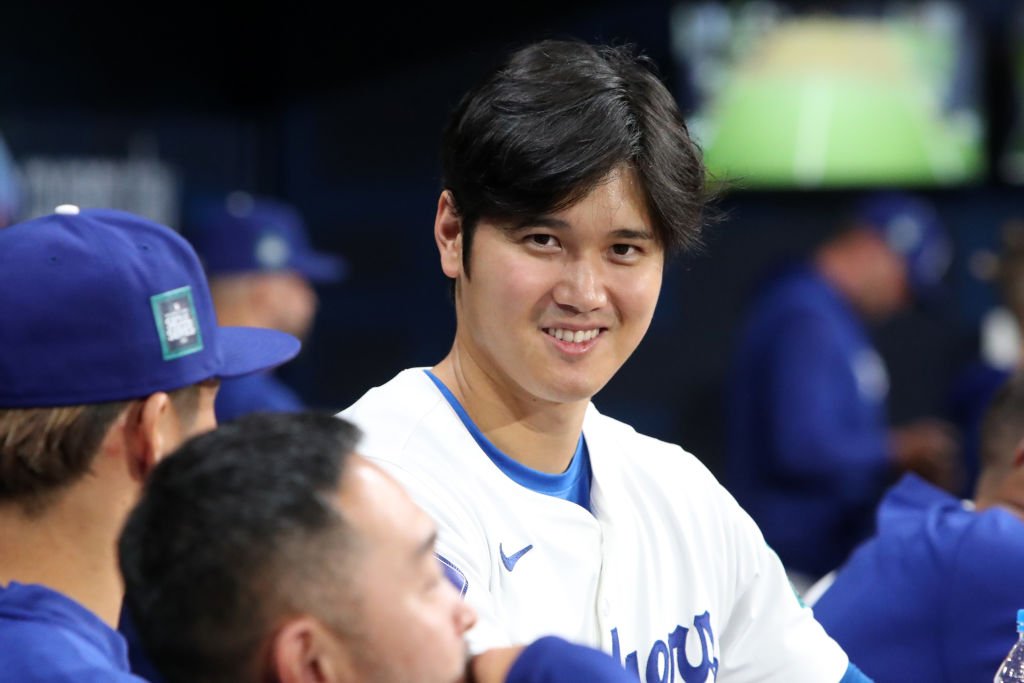
The 10‑year, $700 million contract that Shohei Ohtani signed with the Los Angeles Dodgers in December 2023 remains the biggest deal in professional sports. But beneath the headline figure lie two narratives that are reshaping not only baseball’s labor economics, but also how teams structure elite contracts.
Unpacking the Structure
- At face value, the contract runs 10 seasons and carries a $700 million average annual value.
- What many don’t realize: Ohtani will receive just $2 million per season during the 10 years of active gameplay. Around $680 million is deferred, paid out after his playing career — between 2034 and 2043.
- The strategic benefit for the Dodgers is clear: by deferring so much, the team markedly reduces its immediate luxury‑tax burden and payroll hit. For Ohtani, the arrangement secures his long‑term financial future and flexibility.
- Analysts estimate that this contract alone was “paid back” in terms of revenue generation (ticket sales, international marketing, merchandise) in under two seasons. In other words, the business case has already validated itself.
Why It Matters Right Now
- This isn’t just a “record contract” story — it’s a blueprint for how the most elite players and teams may operate moving forward.
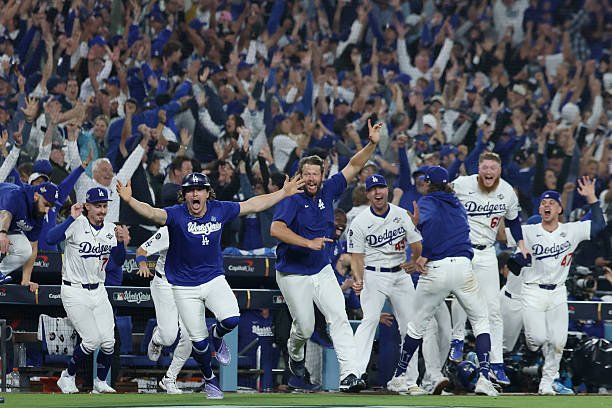
- Ohtani’s on‑field production: despite pitch‑limiting injury concerns, his 2025 postseason explosion reaffirmed his value as both a hitter and occasional pitcher. That performance frames the contract as justified, not speculative.
- The deferred‑pay model raises tax and residency implications. Because so much is delayed, Ohtani may benefit from future tax‑favorable states once payments commence — a structural advantage rarely seen at this level.
- From a league perspective: teams may increasingly explore contracts that shift compensation toward the future, providing flexibility now and risk management later. That has implications for free‑agency dynamics, competitive balance and internal team budgeting.
How Teams and Players Are Reacting
Teams:
- Top franchises are surveying how the Dodgers executed this deal. Deferred compensation reduces a team’s immediate financial cap impact, yet preserves its ability to retain or invest in other core players.
- Front offices will ask: “Is this model replicable for player X?” The answer depends on brand value, global reach, dual‑sport marketability — none of which most players possess at Ohtani’s level.
Players/Agents:
- Elite agents will frame the conversation: “If you are Ohtani‑level, your contract can be future‑heavy.” That changes negotiation benchmarks: salary isn’t just AAV, but timing and structure matter.
- For younger players, this could raise long‑term expectations. But risk is higher: if you trade deferred money for shorter peak performance, there’s less margin for error.
What to Watch in the Coming Years
- When payments start in 2034, where will Ohtani be living? Tax jurisdiction could become a big headline.
- Will other star players demand similar structures? If yes, how will the league and players’ association respond?
- How will the Dodgers leverage this flexibility in the short term to build around Ohtani — acquisition‑wise, development‑wise, globally marketing‑wise?
- Can Ohtani’s on‑field performance — including potential pitching returns — match the financial premium paid? Sustaining excellence will matter.
Final Word
Shohei Ohtani’s contract is more than a numerical milestone. It’s a strategic innovation in sports business: blending performance, brand, future value and financial engineering. It tells us where sports economics are headed — and how much value can be unlocked when an exceptional talent meets exceptional structure.
At SportBuzzHub, we’ll be watching how this deal reverberates across MLB and beyond — and whether it reshapes what we expect elite contracts to look like in the era of global sports markets.