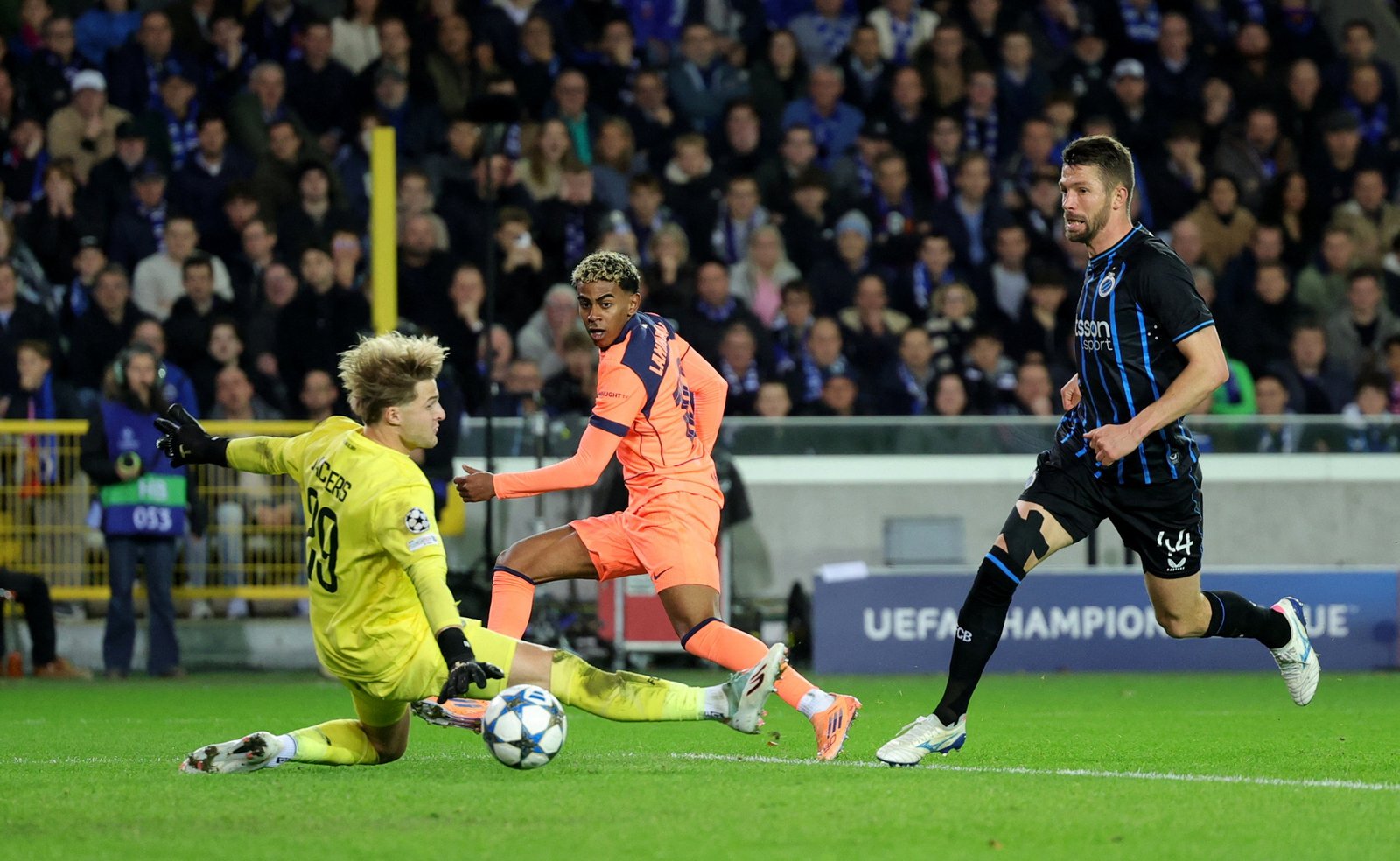
The 2025–26 edition of the King’s Cup, officially the Custodian of the Two Holy Mosques’ Cup, has delivered a seismic shock: Al Nassr—despite entering as heavy favourites—has been eliminated in the Round of 16 following a 2–1 defeat to Al Ittihad. The result sends ripples through Saudi football and re‑ignites questions about star recruitment, pressure on marquee players, and the evolving identity of knockout competition in the kingdom.
Match Breakdown & Key Turning Points
- Al Ittihad surged into the lead in the 15th minute through a clinical counter‑attack, converting a cross into Russingly effective finish.
- Al Nassr levelled around the 30‑minute mark after sustained pressure finally paid off via a powerful strike, setting up what looked like the usual script for favourites.
- Just before half‑time, Al Ittihad struck again, seizing a 2–1 lead that would prove decisive.
- Early in the second half, Al Ittihad were reduced to ten men following a reckless challenge that forced a sending‑off.
- Despite the numerical superiority, Al Nassr failed to convert several clear chances and were undone by a disciplined Al Ittihad defensive re‑set and strategic maturity.
- The elimination adds to Al Nassr’s trophy drought in the King’s Cup: the club has not lifted the title since 1990.
Implications for Al Nassr & Superstar Pressure
For Al Nassr, the defeat represents more than just an exit—it magnifies underlying narrative threads:
- Star recruitment vs. trophy results: Despite investing heavily in marquee names, the club’s inability to convert expectation into silverware in this format exposes a mismatch between resources and outcomes.
- Mental and tactical fragility: The failure to exploit the numerical advantage after the red card suggests issues in composure, game‑management and belief under pressure.
- Marquee player spotlight: The burden on star players increases with each high‑profile exit. The match outcome forces questions around how these players integrate into knockout formats and perform under concentrated pressure.
Broader Significance for the Tournament
- Open field for challengers: With one dominant team eliminated prematurely, the draw opens up for less‑heralded clubs to make deep runs. The knockout nature of the King’s Cup accentuates unpredictability and opportunity.
- Strategic adjustment for clubs: Teams must calibrate not just league‑form momentum but single‑match readiness. The emphasis shifts to squad depth, game‑day mental sharpness and tactical flexibility.
- Narrative shift: This result may mark a turning point in how the King’s Cup is viewed—less as a secondary prize behind the league and more as a meaningful target in its own right for ambitious clubs.
What to Focus On Next
- Who will capitalise? With a major upset early, the path is ripe for a mid‑tier club to gain traction and momentum. Clubs must now reassess their knockout strategies.
- Al Ittihad’s resilience: Having achieved the upset, focus will shift to whether they can sustain the performance trajectory through subsequent rounds.
- How will favourites respond? Other top‑flight clubs will study Al Nassr’s mistakes and adapt their approach: especially in managing pressure, leveraging key moments and handling comebacks or setbacks.
Final Word
The King’s Cup’s name may reference tradition, but its latest edition is signalling evolution. In this single‑elimination arena, resource cannot guarantee success—readiness, resilience and a moment seized matter more. Al Nassr’s early exit brings a vivid caution: even giants can stumble. And for the rest of the field, that fall opens a door.
At SportBuzzHub, we’ll continue following this tournament closely — with eyes on who channels the upset into momentum and who reclaims control after a shock.