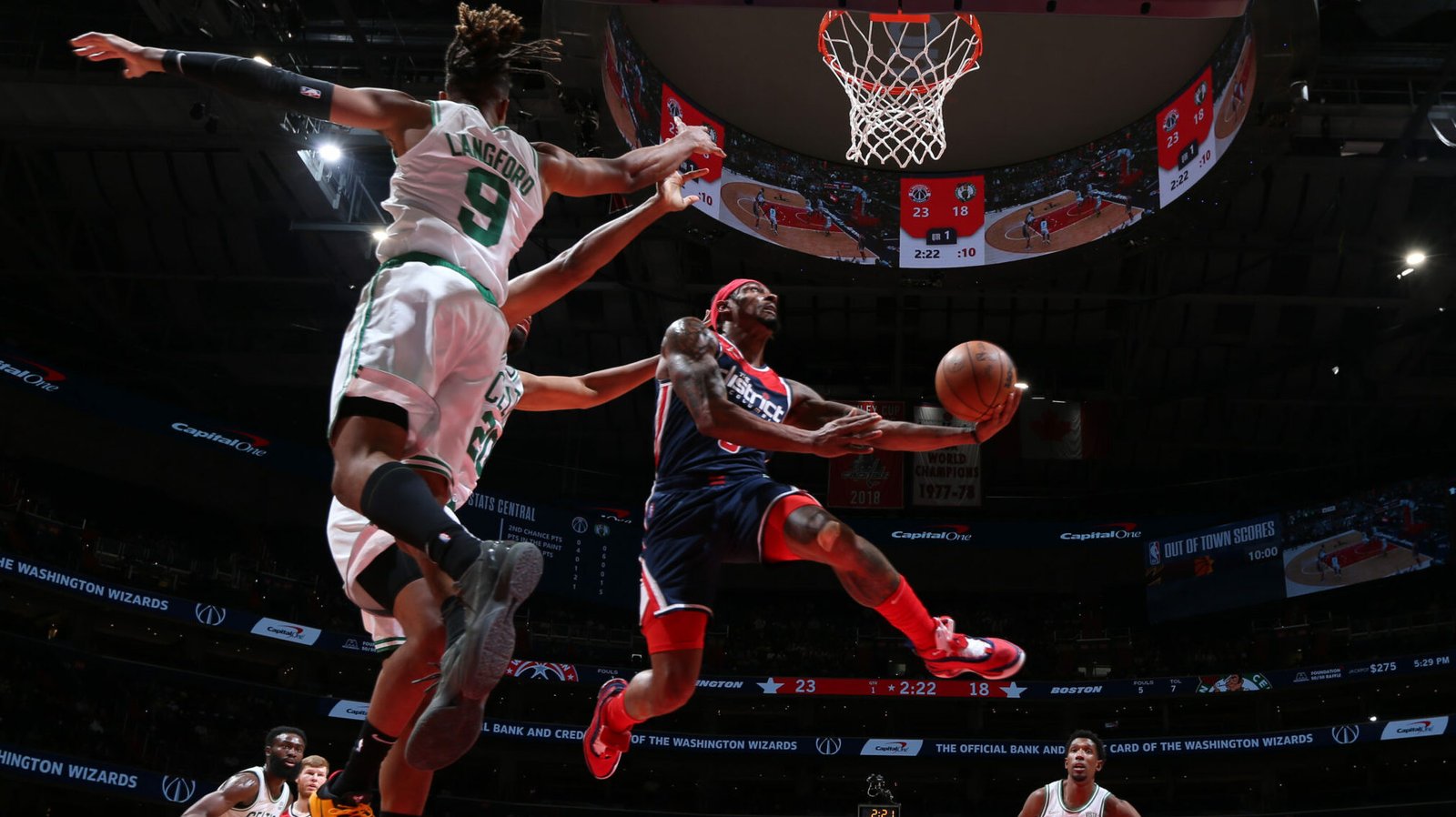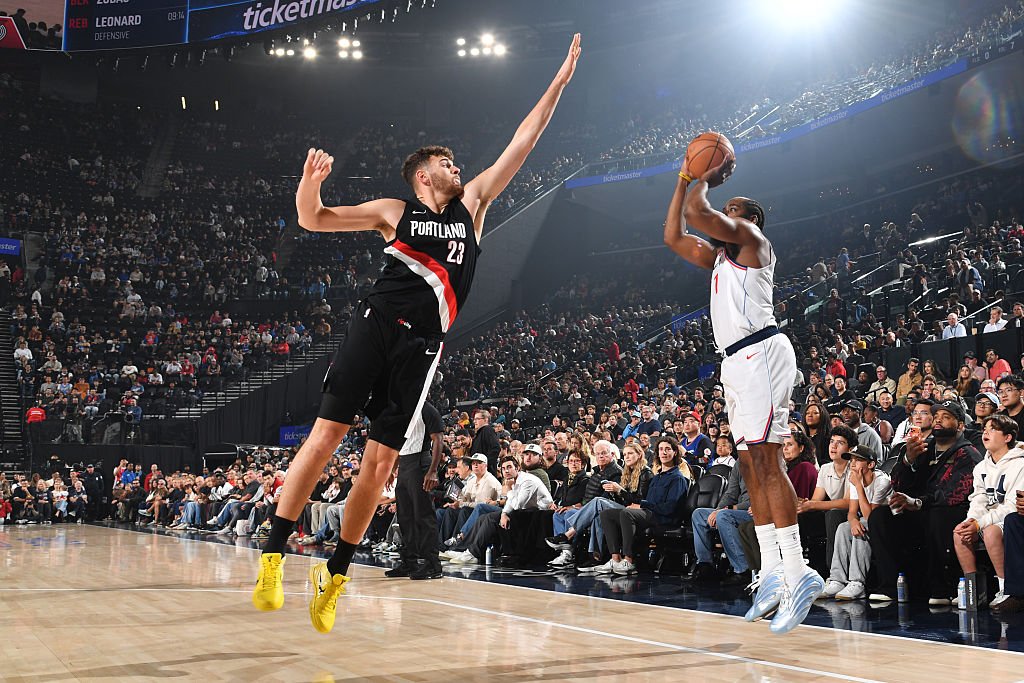
The Portland Trail Blazers secured a hard‑fought 84‑76 road win over the Utah Jazz at the Delta Center, a game that underscored Portland’s emerging identity of depth, poise and collective effort in the early stages of the 2025‑26 season.
Game Flow and Turning Points
The Blazers and Jazz traded punches early: Utah opened with a 43‑33 first‑quarter lead, fueled by home energy and efficient interior play. But momentum shifted as Portland recalibrated. The Blazers out‑scored the Jazz 46‑30 in the second quarter, seizing a halftime lead. Utah attempted a rally in the third, but Portland held guard, limited runs and locked in defensively to protect the edge until the final buzzer.
Two key stretches defined the outcome:
- The second quarter surge by Portland, moving the game from a deficit into control.
- A fourth‑quarter defensive clampdown where Utah made no runs of note, and Portland converted when possessions mattered most.
Star Performers & Strategic Highlights
Balanced Scoring & Role Fulfillment
While no single Blazers name exploded, the balance was notable:
- Jerami Grant led by example with 16 points, focusing on mid‑range efficiency and timely 3‑pointers.
- Jrue Holiday posted 10 efficiently, anchoring the defence and smoothing out tempo transitions.
- Deni Avdija delivered 10 points and 7 rebounds, providing modern versatility and a floor of steady two‑way impact.
Strategic Adjustments and Defensive Identity
Portland’s game plan prioritized:
- Limiting Utah’s transition offence, cutting off dump‑offs and securing defensive boards.
- Speeding up their own pace at key moments—when the lead appeared vulnerable they moved the ball quickly, attacked closeouts and regained control.
- Mental discipline in the fourth quarter: no lapses, no spikes of panic despite the Jazz crowd.
Utah’s Effort and Shortfalls
The Jazz received 19 points from Lauri Markkanen, who played with attacking intent, but his support was limited. Walker Kessler added strong interior minutes, yet Utah trailed badly in second‑chance opportunities and defensive communication late in the shot clock. A home squad built on youth and potential, Utah simply could not match Portland’s execution when it mattered.
Implications for Both Teams
For the Trail Blazers:
This win builds momentum. It shows Portland doesn’t need one superstar to dominate every game—they can win through structure, team defence and consistent role contributions. If they maintain these qualities, they could be better positioned than many expect in the Western Conference.
For the Jazz:
This loss raises caution flags. Despite being at home and leading early, Utah couldn’t sustain pressure, adjust defensively when Portland shifted gears and lacked the offensive punch to respond when down. The blueprint of young roster + modern offence remains valid—but so too are the demands of closing quarters and converting identity into results.
What to Watch Next
- Portland’s next game on the road—can they replicate the defensive discipline and avoid lapsing in hostile environments?
- Utah’s third‑quarter adjustments—they trail now in several matchups by halftime or after. Can the coaching staff tighten transitional defence mid‑game?
- Both teams’ bench contributions—depth will separate contenders from hopefuls by mid‑season.
- Meeting again this season—this early victory could swing tie‑breaker implications in the Northwest Division.
Final Word
The Trail Blazers vs Jazz matchup was not just about the final score—it was a statement of identity for two franchises headed in different arcs. Portland proved that structure, depth and composure can win in tough places. Utah showed promise but also reminded that potential must be backed by execution when the lead shifts. The season is long—but games like this begin to shape narrative, belief and trajectory.
Published for SportBuzzHub — your go‑to for in‑depth NBA coverage and timely insight.