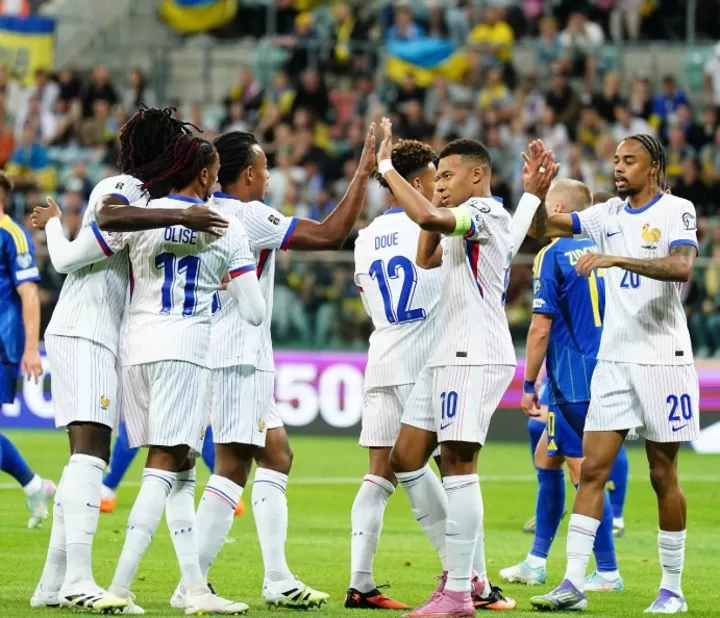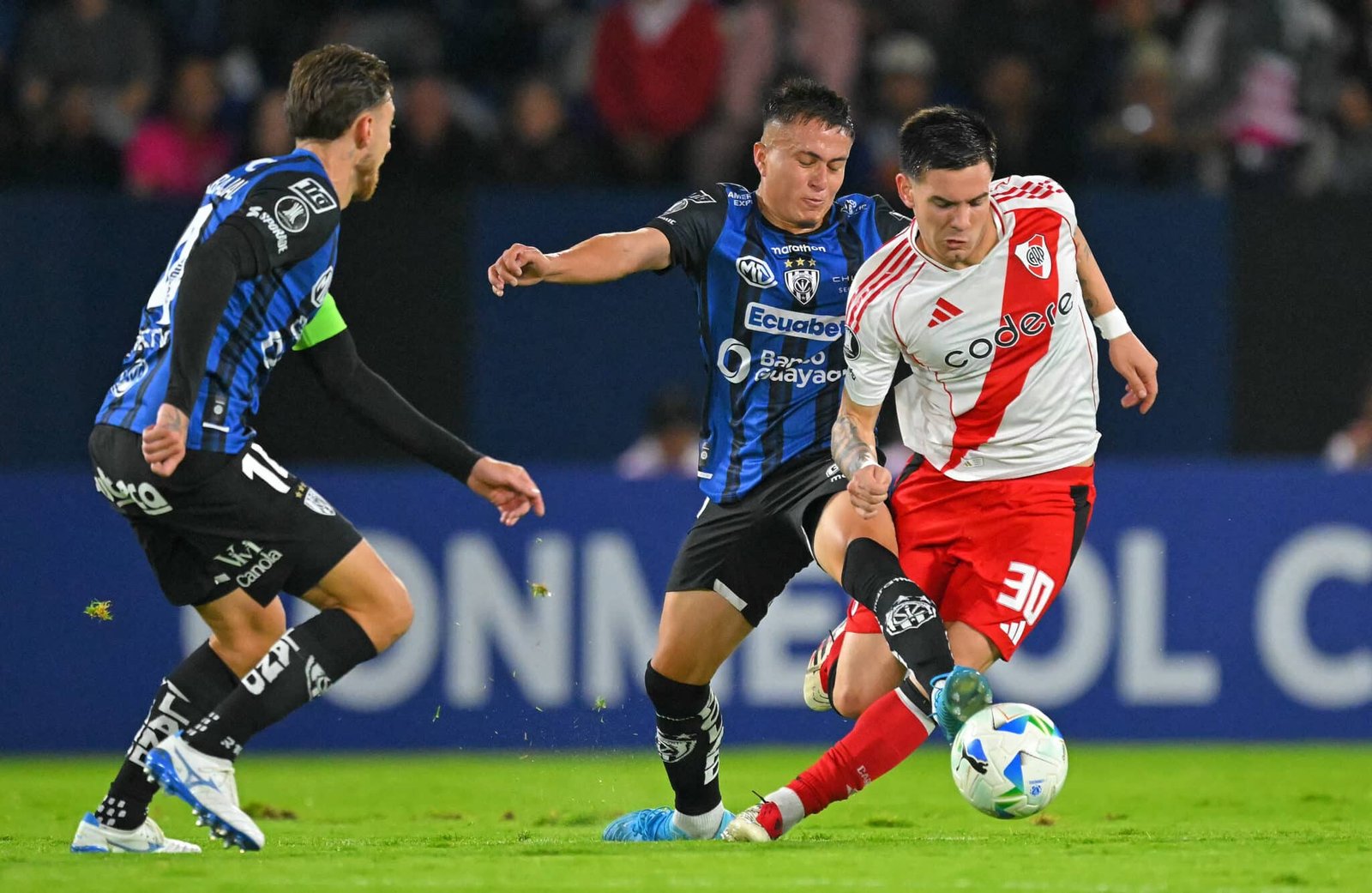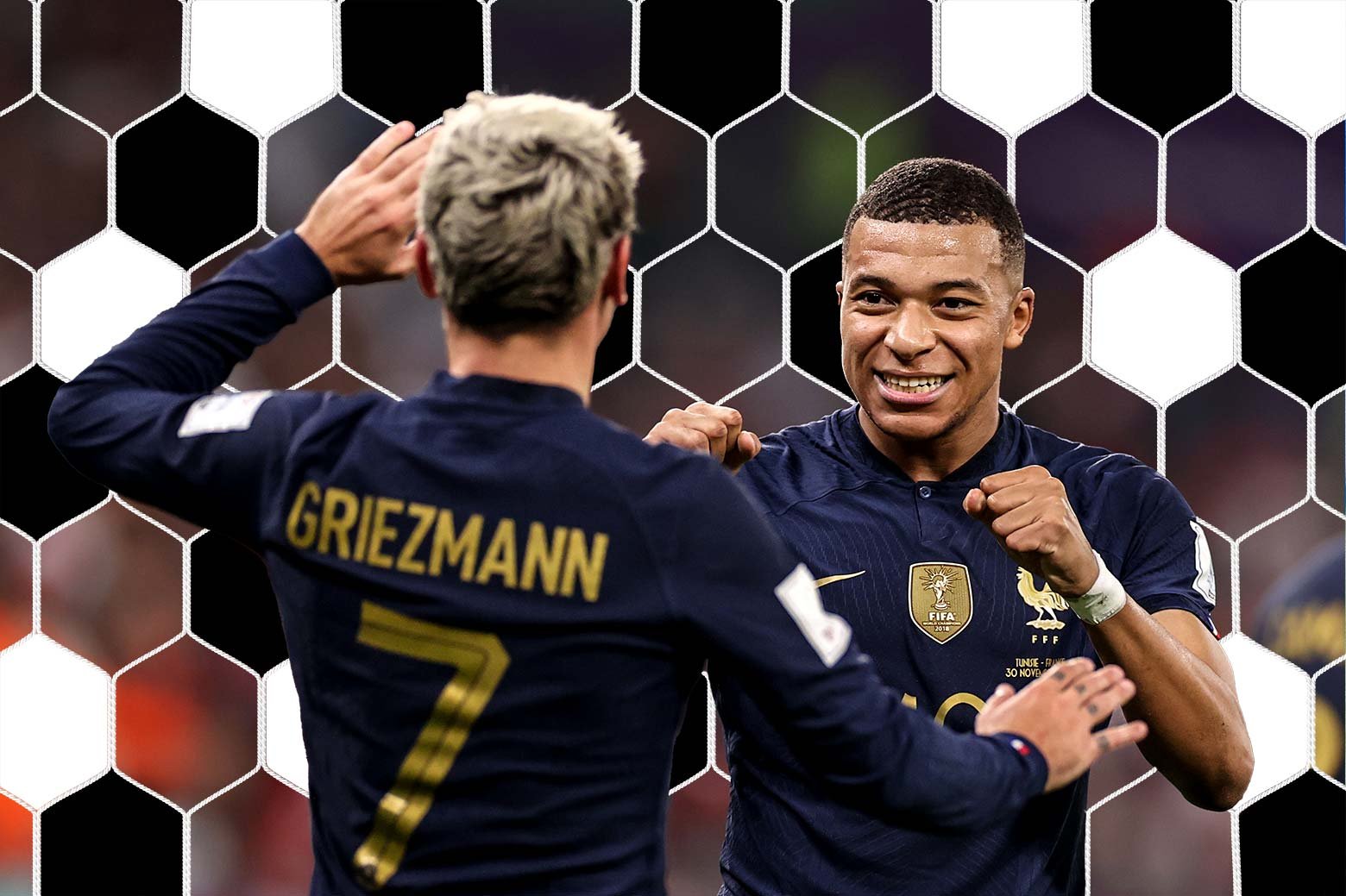
The phrase “France FC” has become a trending topic in football circles, as observers navigate the evolving structure and commercialisation of club football within France. The term encapsulates more than a single club—it represents a broader shift in the landscape of French football, characterised by ambitious new projects, global investment and a re‑imagining of how clubs in France operate on both domestic and European stages.
What “France FC” Signifies
“France FC” is not the name of a traditional single club, but rather a shorthand for the trend of French clubs pushing for global relevance and transformation—through major investment, relocation to modern stadia and aggressive recruitment. As football in France has matured, the notion of club identity, economic power and competitive ambition has evolved; the “France FC” concept reflects this intersection of sport and business.
One of the most significant examples lies in the capital. Paris, long dominated by Paris Saint‑Germain, now sees the rise of Paris FC—a club that has secured promotion to Ligue 1 and is backed by major investment from the Arnault family and the Red Bull sports group. Their objective aligns with the “France FC” narrative: a club built to grow beyond its historic modest size and challenge the status quo.
Key Elements Driving the “France FC” Phenomenon
Investment and Infrastructure
At the centre of the “France FC” story is capital—both financial and infrastructural. Paris FC’s promotion and relocation to Stade Jean‑Bouin mark a tangible leap in clout. For French clubs to compete not only in Ligue 1 but also in European competition, modern stadiums, enhanced fan experience and sustainable commercial models are crucial. The “France FC” movement sees clubs evolving into multi‑platform brands, not merely local institutions.
Competitive Ambition and Domestic Balance
The “France FC” trend is about challenging entrenched hierarchies. French football has been dominated by a select few clubs; the injection of ambition at clubs like Paris FC signals a possibility of greater competitive balance. Should this trend continue, French football may see fewer predictable champions and more teams with genuine European aspirations. This dynamic touches the very identity of “France FC” as an emerging model.
Globalisation and Market Positioning
In becoming “France FC”, a club positions itself to tap global markets—via international players, brand partnerships, merchandise and broadcast reach. French football has rarely taken the same global commercial flight as England or Spain, but the “France FC” phenomenon is accelerating that trajectory. As clubs aspire to broad engagement, their strategies must reflect both sporting and business acumen.
Opportunities and Risks for Clubs Embracing the “France FC” Identity
Opportunities:
- Elevated exposure: Clubs that align with the “France FC” profile gain access to new sponsors, international TV coverage and a broader fan base.
- Talent attraction: Ambitious clubs can appeal to players looking for both competitive platforms and brand growth.
- League enrichment: The Ligue 1 ecosystem benefits when more clubs compete at higher levels, raising league quality and global appeal.
Risks:
- Financial sustainability: The “France FC” model demands large investment. Clubs must avoid overreach and ensure long‑term fiscal health.
- Identity dilution: In chasing growth, clubs risk losing traditional supporter base and local culture—an important component of football legitimacy.
- Performance pressure: The “France FC” tag brings elevated expectations. Failure to translate ambition into results can damage brand and credibility.
Looking Ahead: What to Watch
- Promotion and league expansion: Will more clubs follow the “France FC” blueprint—earning promotion, modernising infrastructure and re‑branding ambitions?
- European performance: A true indicator of “France FC” success will be how clubs fare in UEFA competitions. Breakthroughs in the Champions League or Europa League would validate the model.
- Fan reception and cultural impact: Sustaining growth requires fan engagement. Whether stadium moves or global branding resonate with supporters will define whether “France FC” succeeds on and off the pitch.
- Economic and regulatory framework: French football authorities will need to maintain balancing mechanisms—financial fair play, youth development mandates and commercial caps—to ensure the “France FC” model doesn’t widen inequalities.
Final Perspective
The concept of “France FC” captures a transformative moment in French club football. It is not merely about one team—it’s about how an entire system is evolving. As clubs like Paris FC step up their ambitions, backed by significant investment and new infrastructure, French football could shift in meaningful ways. The “France FC” era presents the promise of elevated competition, new global relevance and a refreshed identity for clubs in France.
However, the journey is far from guaranteed—success will demand prudence, authentic identity and strategic alignment on the pitch. If French clubs can navigate these dynamics, the “France FC” label may come to define a new chapter in France’s football story.
Credit: SportBuzzHub – Current date: 14 November 2025