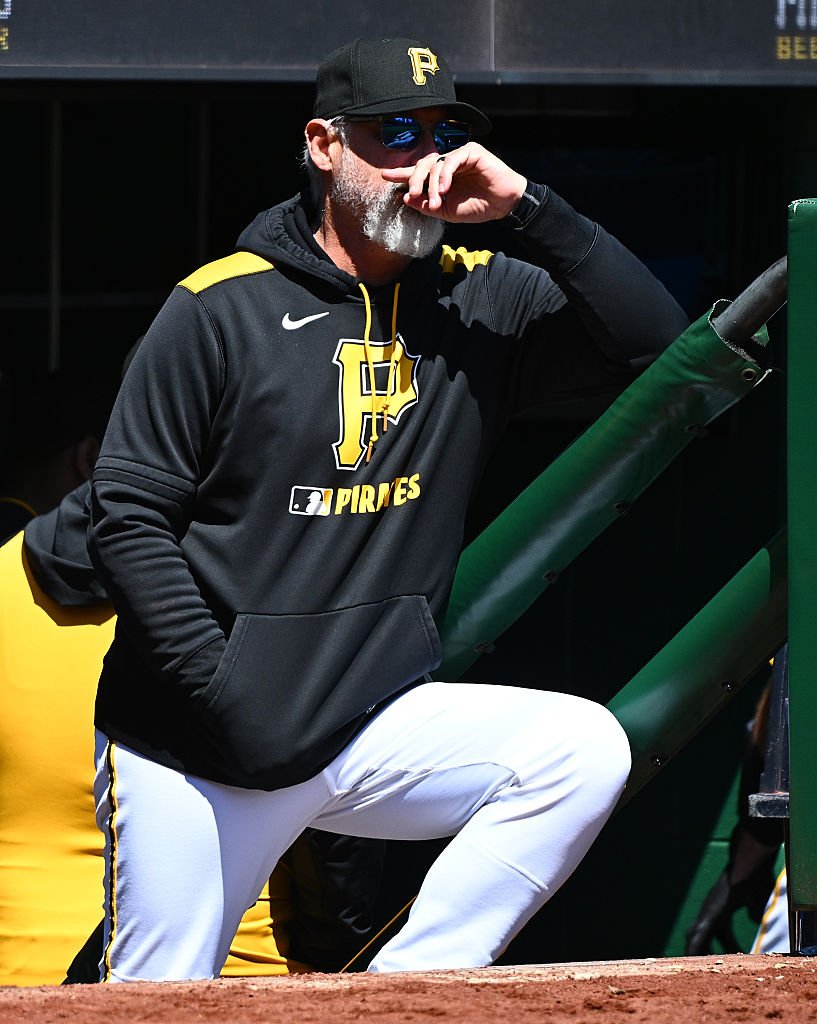
In one of the most significant offseason shifts in Major League Baseball, Derek Shelton has been selected as the next manager of the Minnesota Twins, marking a full‑circle return to the organization where he once served as bench coach. The move signals both a fresh chapter for Shelton and a bold declaration of intent by the Twins.
The Backstory: A Career of Peaks, Valleys and Familiar Ground
Shelton, 55, spent the early decades of his coaching career climbing through the ranks — from minor league coach to hitting coach and bench coach across multiple franchises. He specifically coached with Minnesota in 2018‑2019, which laid the relational and organizational foundation for this latest opportunity.
In 2019 he was hired as manager of the Pittsburgh Pirates, a franchise undergoing a major rebuild. Over more than five seasons, he accumulated a 306‑440 record before being relieved of duties in May 2025 after a 12‑26 start.
Now, he returns to Minnesota — not as a returning coach but as the principal leader — with the mandate to turn around a team that finished 70‑92 in 2025, one of its worst full‑season marks.
What Makes This Significant
1. Experience Meets Familiarity
Shelton’s previous tenure in Minnesota provides a form of institutional memory for the Twins. That familiarity may help with trust, transition, and organizational cohesion—especially important as the club moves through a rebuild.
2. Redemption and Reputation
After a rough run in Pittsburgh, Shelton enters the role with something to prove. His hiring shows the Twins are willing to bet on his growth curve and adaptability rather than viewing his previous record as disqualifying.
3. Organizational Alignment
The move signals Minnesota’s willingness to lean into development, process and culture-building, rather than purely chasing quick fixes. Shelton’s profile—coaching‑heavy, developmental mindset—aligns with that.
4. Pressure and Expectation
Despite his familiarity with the organization, Shelton steps into a challenging environment: a roster in flux, high expectations among fans and leadership eager for results. How he handles that pressure will define this appointment.
Potential Challenges & Key Watch‑Points
- Turnaround Track Record: While experience is plentiful, tangible results at the big‑league managerial level have been modest. Shelton’s previous teams never reached the postseason under his management.
- Roster Realities: The Twins face roster questions and a rebuilding phase. Shelton will need to manage talent development, in‑game strategy and clubhouse morale — all while navigating organizational constraints.
- Public Expectation: Minnesota fans and media will expect signs of progress quickly. Shelton must balance short‑term wins with long‑term growth — a difficult tightrope.
- Organizational Cohesion: Despite familiarity, Shelton’s return brings new authority and expectations. Ensuring alignment with front‑office philosophies and staff structures will be critical.
What This Means for the Twins and MLB
For the Twins, the hiring of Shelton marks a turning point in how they approach leadership, development and organizational structure. By choosing a coach familiar with their culture and system, they emphasise continuity and internal progression.
For MLB, the move adds another layer to the evolving narrative around managerial hires: past records matter—but so do fit, growth potential and organizational chemistry. Shelton’s second major‑league chair is a case study in that dynamic.
Final Word
Derek Shelton’s appointment as the Minnesota Twins’ new manager is more than a hire—it’s a narrative pivot. For Shelton: a chance to reset, demonstrate growth and lead in a familiar yet high‑stakes setting. For Minnesota: an investment in process, culture and meaningful development. The path ahead won’t be easy, but in the world of MLB outrebuilds and managerial cycles, this one feels full of possibility.
Published for SportBuzzHub — your trusted source for in‑depth baseball coverage and real-time insight.