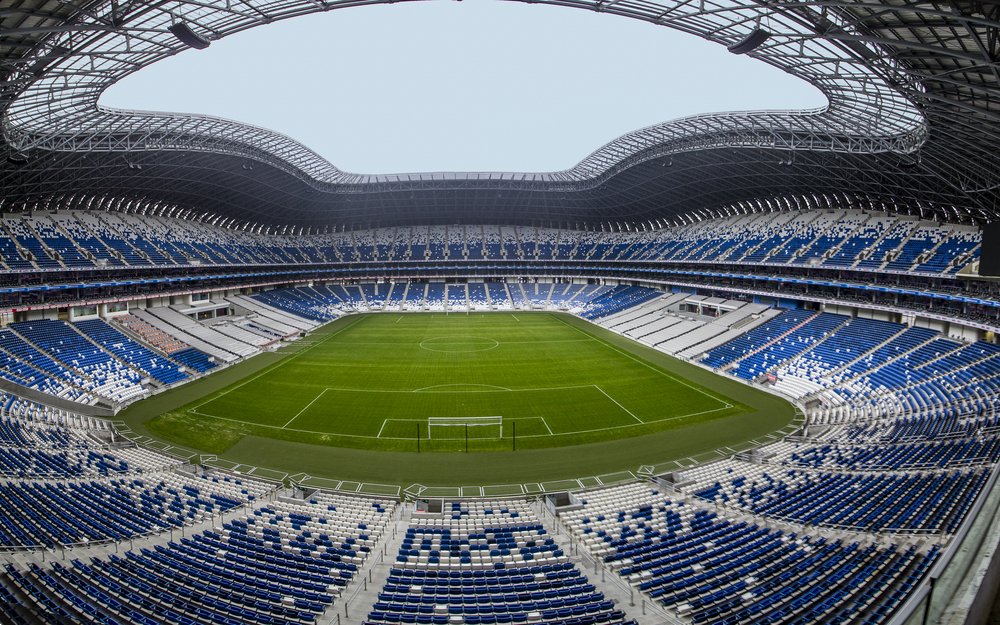
The term “Argentina FC” is increasingly used by fans and analysts alike to characterise the broader commercial, competitive and cultural evolution of Argentine football clubs on the world stage. With global ambitions intensifying, Argentina FC stands at a pivotal juncture—where tradition meets transformation, and domestic dominance aligns with international aspiration.
Heritage Meets Globalisation
Argentina FC evokes more than one club—it symbolises the collective identity of Argentine football institutions seeking relevance beyond South America. Historically, clubs like Boca Juniors and River Plate dominated domestic competition and produced world‑class talent. Today, Argentina FC conveys how these clubs are actively repositioning themselves to capture global audiences, commercial partnerships and talent retention.
In recent seasons, Argentina FC has become a brand proposition. Through enhanced broadcasting deals, youth‑talent export pathways and strategic investment in infrastructure, the nation’s clubs aim to retain relevance in a football landscape dominated by European globalisation. The “Argentina FC” narrative therefore bridges the past and future—not just in terms of trophies, but identity and business model.
Key Themes Shaping Argentina FC
Talent Exportation and Player Retention
One hallmark of Argentina FC’s evolution is the development and exportation of talent. Argentine clubs now not only produce elite players but also negotiate global transfers and retention structures. Younger stars stay longer, weaving club identity with global pathways. This dynamic enhances the “Argentina FC” brand by showing clubs as both originators and brokers of talent.
Commercial Expansion and Fan Engagement
Argentina FC is accelerating its efforts to monetise brand, fanbase and international exposure. Clubs are modernising stadiums, enhancing digital platforms, and pursuing overseas friendlies to reach diaspora communities. The business logic mirrors leading clubs globally, but in the Argentine context, this also confronts economic constraints and competitive balance—making the “Argentina FC” journey complex and distinctive.
Competitive Recalibration and Continental Ambition
To fulfil the Argentina FC vision, clubs are recalibrating competitively. That means aiming not only for domestic championships but also making meaningful impacts in continental tournaments like the Copa Libertadores. For Argentina FC to succeed, the narrative must shift: generating consistent deep runs in Latin America and building credibility beyond national borders.
Opportunities and Challenges Within the Argentina FC Framework
Opportunities:
- Argentina FC clubs can tap into diaspora fan markets, enhancing revenue streams and global profile.
- Producing export‑quality talent enhances not just individual clubs but the Argentina FC ecosystem, maintaining technical and cultural relevance.
- Elevating competitiveness improves league quality and viewer interest, reinforcing Argentina FC as a global anchor in football.
Challenges:
- Financial instability persists—Argentina FC institutions must manage debt, fluctuations in revenue and external competition from Europe.
- Balancing local support and global ambition: Argentina FC clubs cannot alienate core fanbases while chasing international brand status.
- Performance translation: Commercial and brand growth must be matched by on‑field success. Otherwise, Argentina FC risks being just a narrative rather than a reality.
Recent Developments: Why Argentina FC Is Trending
One key moment positioning Argentina FC under the spotlight was a high‑profile friendly vs. Angola national football team scheduled to mark Angola’s 50th year of independence. Argentina FC—not just as a domestic phenomenon but as a global ambassador for Argentine football—headed the occasion, underlining how top clubs now serve national brand‑building and diplomatic functions.
Additionally, as the Argentine national team—central to the Argentina FC narrative—prepares its squad and commercial strategy ahead of global tournaments, clubs are aligning more closely with the national brand. That synergy enhances Argentina FC’s relevance in conversations about football’s future in South America and beyond.
Strategic Implications for Clubs and the League
For Argentina FC to transition from ambition to execution, several strategic dimensions matter:
- Infrastructure investment: Upgrading stadiums, training facilities and fan experiences will help Argentina FC clubs meet global standards.
- Seamless talent pathways: From youth academies, through first teams and onto international transfer markets—Argentina FC clubs must optimise talent development and monetisation.
- Brand differentiation: In a crowded global market, Argentina FC clubs need unique identities—rich heritage, playing style, social impact—that resonate beyond national boundaries.
- Governance and fiscal discipline: To fulfil the Argentina FC vision sustainably, clubs must enhance governance, transparency and commercial viability—not merely chasing short‑term success.
Final Perspective
Argentina FC is more than a buzz‑phrase—it is a marker of transformation at the heart of Argentine football. As clubs reposition themselves in a global era, they confront age‑old challenges of finances, identity and competitiveness while embracing ambition, talent and market opportunity. If Argentina FC can bridge heritage and innovation, it could redefine how South American football competes internationally. Yet, success will demand more than intent—it will require structural change, strategic clarity and consistent performance both on and off the pitch.
Credit: SportBuzzHub – Current date: 14 November 2025