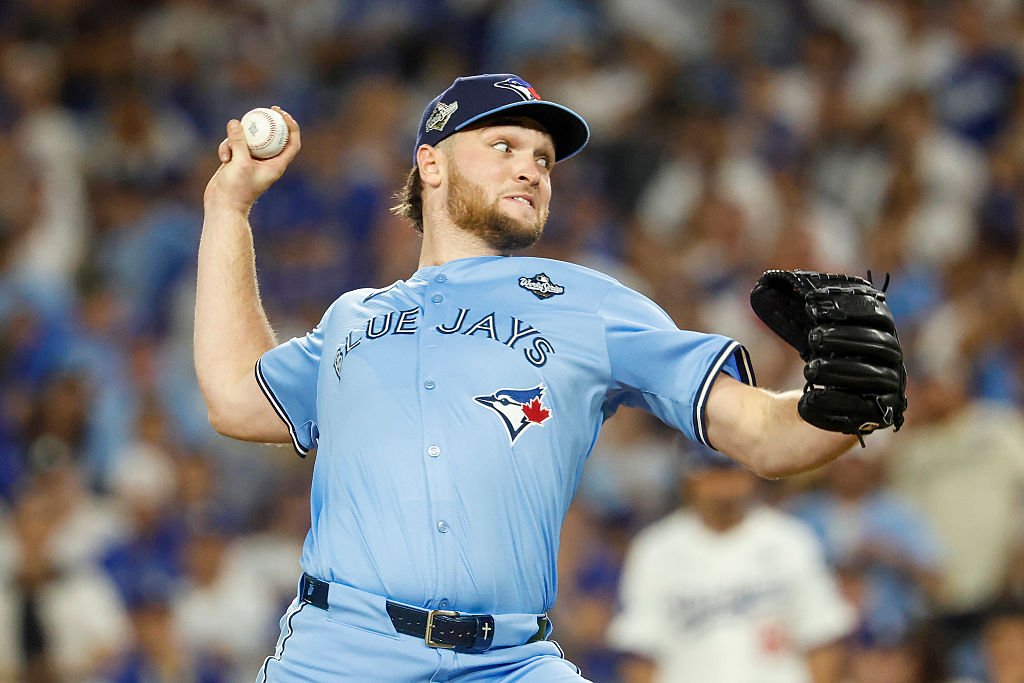
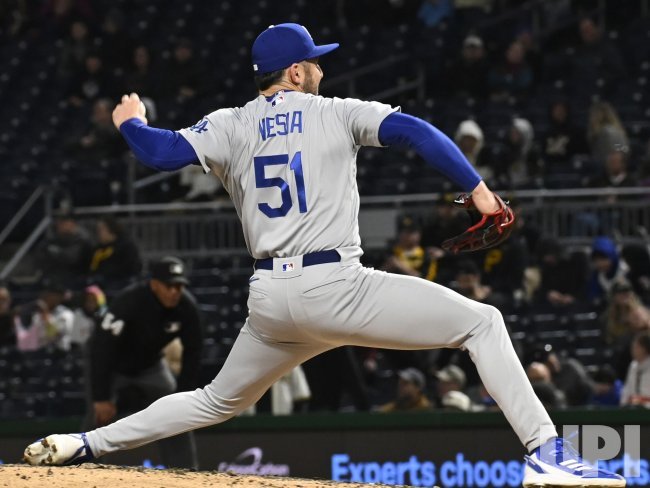
When the lights dimmed and the shadows lengthened in the bottom of the 18th inning at Los Angeles Dodgers vs. Toronto Blue Jays Game 3 of the 2025 World Series, Will Klein was a name few recognized. By the time the dust settled, he had etched his way into baseball lore.
The 25‑year‑old right‑hander entered the game in extra innings with his team’s bullpen completely spent. Over four shutout innings—through 72 pitches—he recorded five strikeouts and allowed only one hit. His performance extended the game long enough for Freddie Freeman’s walk‑off homer to clinch the victory, handing the Dodgers a 2‑1 series lead. Klein’s outing turned from unheralded relief arm to hero in a single night.
From Depth Piece to October Star
Klein’s journey to this moment was far from the limelight:
- He began 2025 in the minor leagues and switched organizations multiple times before landing with the Dodgers in June.
- He wasn’t even on the Dodgers’ postseason roster until the World Series; earlier rounds passed him by.
- During the regular season, his maximum spike in workload was modest—now he delivered career highs when it mattered most.
- After his historic outing, baseball legend Sandy Koufax entered the clubhouse to personally shake his hand—underlining the significance of his achievement.
He later admitted the moment still felt surreal: “I woke up this morning still not feeling like last night had happened,” he said. The bullpen depth chart had thinned and the Dodgers leaned on him to deliver. He responded.
The Anatomy of His Heroics
What made Klein’s appearance so remarkable:
- He arrived amid exhaustion. The bullpen had already logged 14 extra‑innings of work before his first pitch.
- With the game tied and momentum fluctuating, Klein reset the narrative. He kept the Blue Jays off the board when their offense could have broken through.
- When runners reached scoring position in the 18th, Klein buckled down—ultimately punching out the batter to escape the jam and hand the ball back to his offense.
- His composure stood out: despite fatigue and novelty of the moment, he functioned with the mindset of “zeroes” each time he took the mound—no yield, no panic.
In short: Klein bought his team the time they needed and did so under pressure unlike any other he’s faced in his young career.
Implications for the Dodgers & Beyond
For the Dodgers:
Klein’s emergence adds a new dimension to their roster narrative. The message is clear: depth matters. In October, when starters tire and relievers are taxed, one unexpected arm can swing a series. Having Klein step up opens up strategic possibilities for the remainder of the postseason.
Beyond the Dodgers:
Klein’s story becomes a blueprint for everyone tracking October baseball:
- Underdogs can shine. Late‑season acquisitions and low‑profile arms may become difference‑makers.
- Workload management and opportunity intersect: his rise underscores that when a player is prepared, even long odds can become realized.
- The mental game remains vital: Klein didn’t rely solely on stuff—he leaned on mindset. His refrain of “we’re not losing this game” speaks to more than talent alone.
What’s Next for Klein
While Game 3 will remain the signature moment of this series, the question now becomes: Can Klein build off it?
- Will the Dodgers continue to rely on him in high‑leverage innings?
- Will opposing teams adjust their scouting reports on him—forcing him to reinvent again?
- Will this outing translate into a sustained role and perhaps contract security moving forward?
For Klein himself, the immediate priority is recovery and readiness. The euphoria of the moment will fade—what remains is the grind of Game 4, Game 5, and beyond.
Final Word
In a game that tested endurance, willpower and moment‑by‑moment decisions, Will Klein became one chapter in the story of October. His performance may not have been the headline hit (that honor went to the walk‑off bat), but without his innings, the headline likely never happened.
At 25, with four scoreless seasons‑defining frames behind him, Klein now stands at a crossroads: one where opportunity meets expectation. The next move? Proving that Game 3 was not just an outlier—but the beginning of a new chapter.