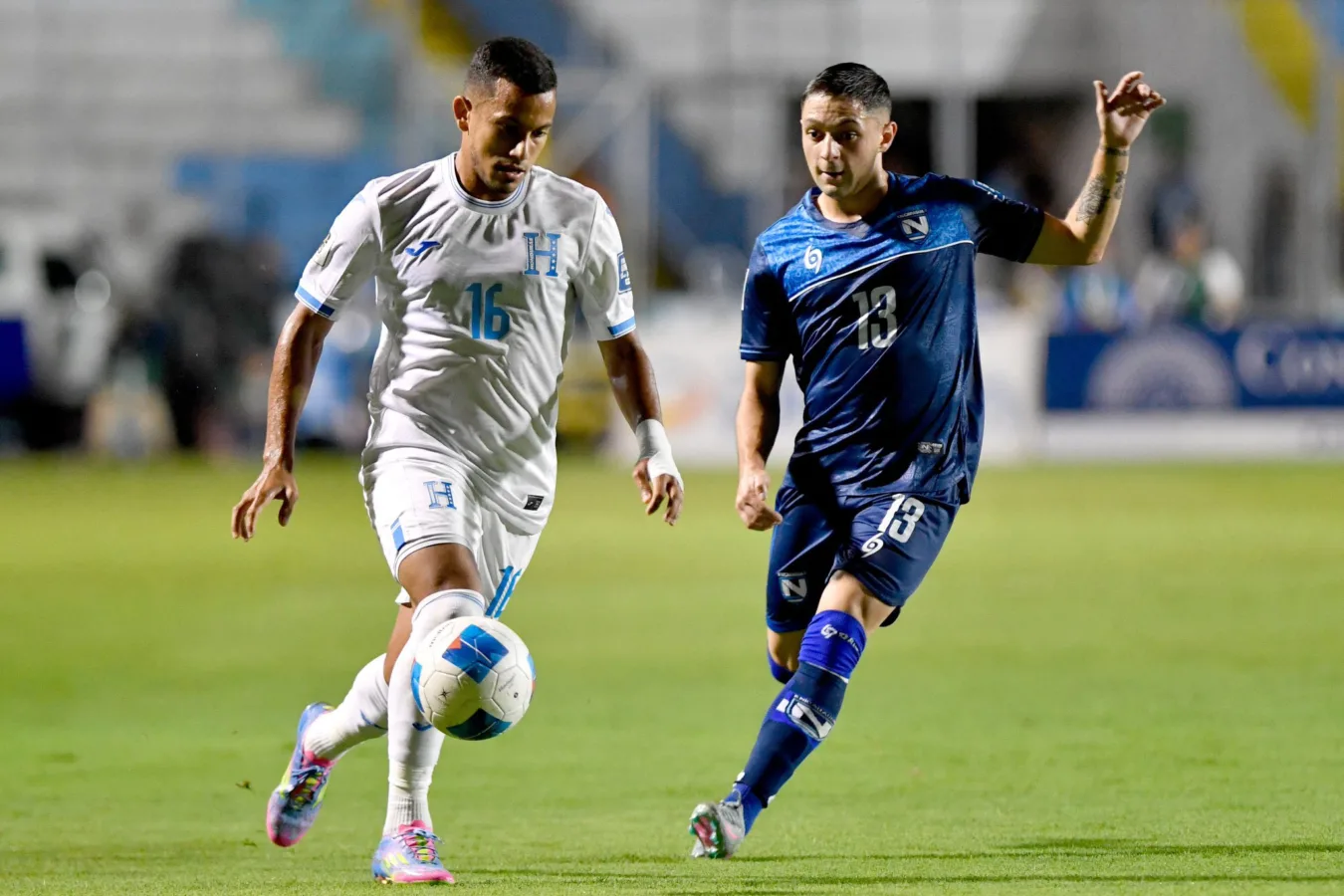
U17 World Cup 2025 Kicks Off in Historic Expanded Format
The U17 World Cup 2025 is well underway in Qatar, marking a landmark moment in youth football as FIFA rolls out a newly expanded 48-team tournament. Kicking off on November 3 and running through November 27, this edition ushers in a bold new era for under‑17 football.
Expansion and Significance: More Opportunities, Bigger Stage
One of the biggest headlines surrounding the U17 World Cup is its expansion to 48 teams, up from 24 in previous editions. This overhaul means far more nations now have the chance to compete on the global youth stage, providing increased exposure to emerging talent from regions that were previously underrepresented. What makes this even more notable is that Qatar has secured hosting rights for five consecutive U17 World Cups, beginning with this 2025 edition. 维基百科+2Inside World Football+2
The expansion aligns with FIFA’s commitment to developing football worldwide. According to football administrators, this broader format is part of a larger push to level the playing field, particularly between Europe and other continents. African football leadership has pointed out that many of their U17 teams now have stronger, more consistent representation at this level. SABC Sport
Tournament Structure & Key Dates
The structure of U17 World Cup 2025 has been adapted to accommodate its historic scale:
- Group Stage: November 3–11
- Round of 32: November 14–15 FIFA World Cup News
- Round of 16: November 18
- Quarterfinals: November 21
- Semifinals: November 24
- Final: November 27, to be held at the Khalifa International Stadium in Doha. Al Jazeera+1
Remarkably, knockout stage games are designed with player welfare in mind: if a game ends in a draw after regular time, there will be no extra time — winners will advance directly via penalties. FIFA World Cup News
Early Highlights & Breakout Moments
Record-Breaking Performance by Morocco
One of the early standout stories of the U17 World Cup is Morocco, which shattered tournament history by routing New Caledonia 16–0 in a group match. The wildly dominant performance included a staggering number of shot attempts and showed Morocco’s determination to make a deep run after early losses in the group. 太阳报
Emerging Talent Takes the Stage
Young stars from across the globe are making their mark. For instance, Wisdom Mike of Germany — a prospect within Bayern Munich’s youth system — scored for his U17 national team, highlighting how this tournament can spotlight future first-team players at major clubs. Bavarian Football Works
Strategic & Developmental Implications
Raising Global Standards
The U17 World Cup 2025 is more than just a competition — it’s a development engine. By giving more teams a shot, FIFA is investing in the next generation of football talent, particularly from Africa, Asia, and smaller footballing nations. The enlarged field helps democratize opportunity and accelerates growth in youth infrastructure.
As one African football executive put it, this revamped format echoes a broader vision: breaking Europe’s dominance in youth football. SABC Sport
Qatar’s Role as a Long-Term Host
Qatar hosting this expanded U17 World Cup is part of a strategic plan. The country, which already held the senior World Cup in 2022, now becomes a long-term hub for youth world football — a move likely aimed at strengthening its football ecosystem and leveraging world-class facilities across multiple tournaments. Inside World Football+1
Brand & Identity Refresh
Ahead of the tournament, FIFA unveiled a new emblem for the U17 World Cup. The visual identity reflects youthful energy, ambition, and the tournament’s new scale. Khel Now
Competitive Landscape: Teams to Watch & Potential Outcomes
With 48 nations competing, the talent pool is deeper and more varied than ever. Several themes and storylines are emerging:
- Traditional powerhouses (such as European and South American teams) will continue to be strong contenders, but they now face stiffer competition from rising teams across Asia, Africa, and CONCACAF.
- Underdogs may emerge. With more spots, nations that previously struggled to qualify could make surprising runs.
- Player development is front and center: scouts and clubs will scrutinize performances closely, as this U17 World Cup can define career trajectories for many.
- Knockout unpredictability: the one-and-done nature of penalty-decided ties adds extra tension. Teams will need to be tactically sharp and mentally resilient.
Challenges & Risks
Of course, organizing such a large tournament carries risk:
- Logistics: Hosting 48 teams in a compact window demands significant infrastructure — stadiums, training facilities, accommodations.
- Player welfare: Youth players are still developing physically and mentally, so the tournament’s design must balance competitive experience with rest and recovery.
- Pressure on young talent: With greater visibility comes greater expectation; some players may feel the weight of representing their nation on a global stage.
Looking Ahead: What U17 World Cup 2025 Means for Global Football
- This edition could be a turning point in how youth football is structured globally. If successful, the 48-team format might become a blueprint for future youth tournaments.
- Players who shine here could fast-track into senior national teams or secure moves to top clubs.
- For Qatar, hosting multiple U17 World Cups could help build a lasting legacy — not just in terms of infrastructure, but in football culture and youth development programs in the region.
Credit: SportBuzzHub.com
Date: November 15, 2025