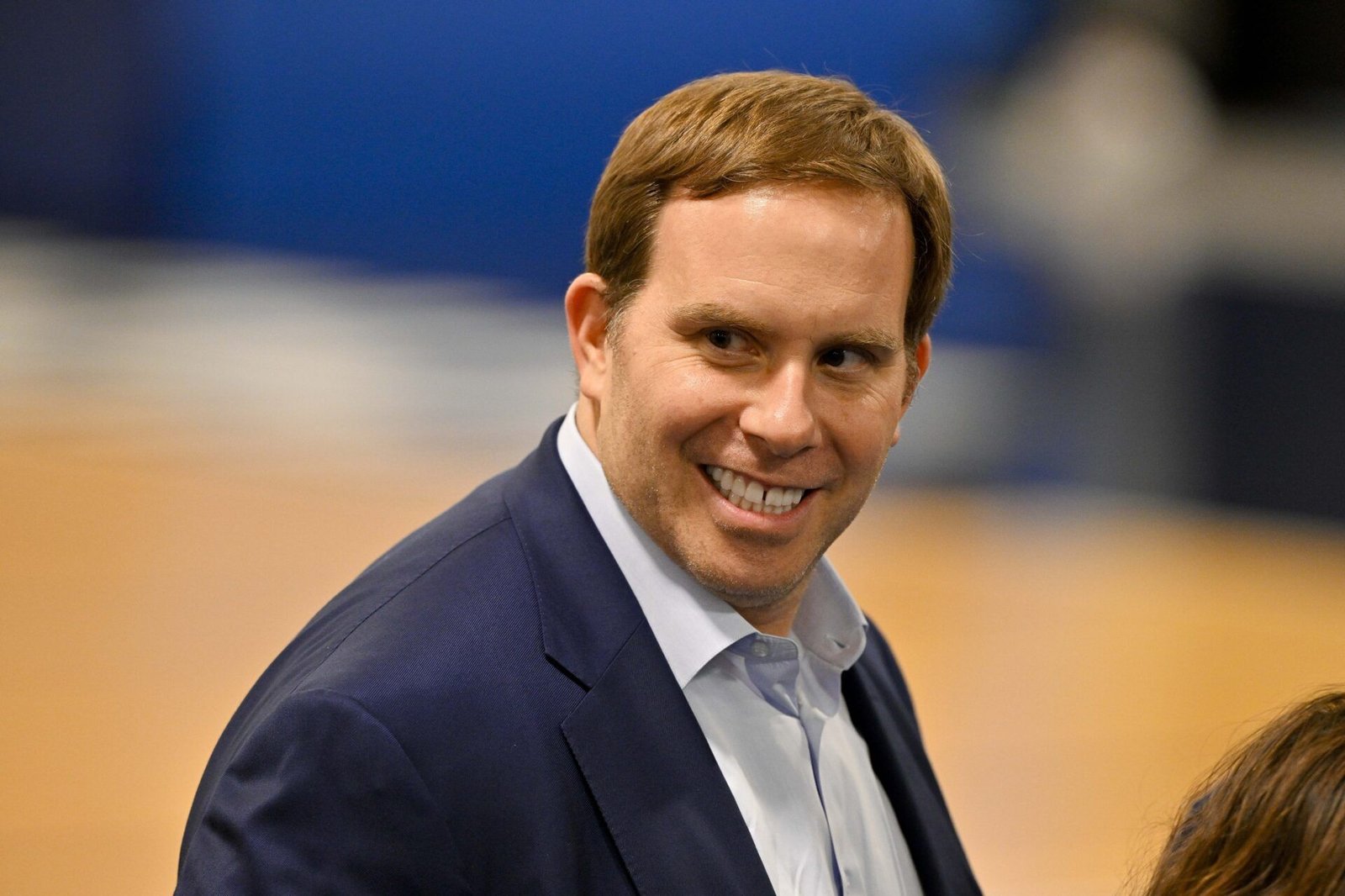
In a bold and decisive maneuver, Patrick Dumont, owner and governor of the Dallas Mavericks, has taken center stage amid a franchise‑defining moment. Dumont’s recent decisions—including the firing of General Manager Nico Harrison and a direct letter to the fanbase—have sparked both hope and controversy, placing his leadership under intense scrutiny.
An Ownership Shift Under the Spotlight
Patrick Dumont assumed the majority controlling interest in the Mavericks in late 2024, succeeding Mark Cuban as team governor. With that transition came high expectations for both on‑court success and organizational stability. As of today, Patrick Dumont’s leadership is being tested by franchise turbulence. Most notably, Dumont orchestrated the dismissal of GM Nico Harrison following a turbulent 3–8 start to the 2025‑26 season, combined with growing fan unrest over the club’s direction.
In a highly unusual move, Patrick Dumont issued an open letter to Mavericks fans, acknowledging the disappointment, pledging transparency, and inviting renewed support. However, fans and analysts alike pointed out that the letter did not explicitly address Dumont’s own role in the earlier blockbuster trade that sent superstar Luka Dončić to the Los Angeles Lakers. Consequently, Patrick Dumont now faces questions about responsibility, accountability, and his vision for the franchise’s future.
Strategic Analysis: What the Firing Means
Franchise Direction and Patrick Dumont’s Mandate
Patrick Dumont’s decision to fire Harrison signals a recognition that the Mavericks’ strategic path has diverged from winning expectations. As owner, Dumont is the ultimate decision‑maker: his evaluation of roster construction, salary commitments and organizational culture culminated in this restructuring. In approving a trade of Dončić—the franchise cornerstone—Dumont’s leadership has already been subject to intense examination.
Financial and Brand Implications
Under Patrick Dumont’s oversight, the Mavericks entered a transitional phase, both on and off the court. The team’s poor start to the season, dwindling attendance figures, and fan discontent affect revenue, brand value and future investments. Dumont’s letter to fans underscored that this era of ownership recognizes the risks of disconnecting from its community—even while the move to action is viewed as faint if not remedial.
Operational Control and Interim Management
With Harrison gone, Patrick Dumont installed Michael Finley and Matt Riccardi as interim leads for basketball operations. This decision reflects Dumont’s hands‑on approach: aligning operational oversight under his governance and signaling that organizational accountability now flows directly from ownership. The success of this transition will hinge on whether Patrick Dumont can embed a culture shift that translates to on‑court improvement.
Leadership Challenges and Opportunity for Renewal
Restoring Fan Trust
Patrick Dumont’s biggest immediate challenge lies in regaining the confidence of Mavericks fans. The letter praised fan passion and transparency—but without directly acknowledging the roots of the crisis under his tenure, the statement risks being perceived as PR rather than genuine ownership reckoning. Dumont must follow words with actions, whether in roster quality, credible communication or structural change.
Rebuilding a Contract Strategy
The Dončić trade left the Mavericks depleted of major assets and momentum. Patrick Dumont’s next moves—whether pursuing a rebuild through young talent, making cautious free‑agent bets or positioning for next‑year playoff contention—will define his era of ownership. His capacity to navigate cap constraints, talent acquisition and team culture will now be under heightened scrutiny.
Media and Public Narrative Management
Following Patrick Dumont’s court‑side interaction with a fan—where he reportedly expressed regret for the franchise’s direction—media narrative control is increasingly demanding. Dumont must manage public perceptions while maintaining transparency, strategic clarity and credibility as a sports owner. The stakes are elevated: not just performance, but reputation.
What to Watch Going Forward
- Basketball Operations Decisions: Which direction Patrick Dumont endorses—a youth rebuild, trade‑driven re‑tool, or major acquisition—will signal his strategic intent.
- Fan Engagement Metrics: Attendance figures, social‑media sentiment, and fan‑community initiatives will reflect whether Dumont’s communication resonates.
- Competitive Performance: The Mavericks’ record in the wake of these changes will serve as an early barometer of Dumont’s ownership impact.
- Ownership Role Visibility: Patrick Dumont’s presence at team events, media availability and public statements will shape the narrative of accountability and renewal.
Final Thoughts
Patrick Dumont now stands at a pivotal crossroads. As owner of the Dallas Mavericks, his decisions will ripple across performance, culture and brand. Firing a GM, issuing a letter to fans and confronting franchise turmoil are significant steps—but the true test lies in sustained improvement, strategic clarity and genuine engagement with the organization’s roots.
For Mavericks watchers, Patrick Dumont’s next moves will signal not just ownership style, but the future identity of the franchise. Will the Mavericks rebound under his leadership? Will fans re‑embrace the team? The courthouse is set—ownership’s accountability is the marquee event.
Credit: SportBuzzHub.com — November 12, 2025