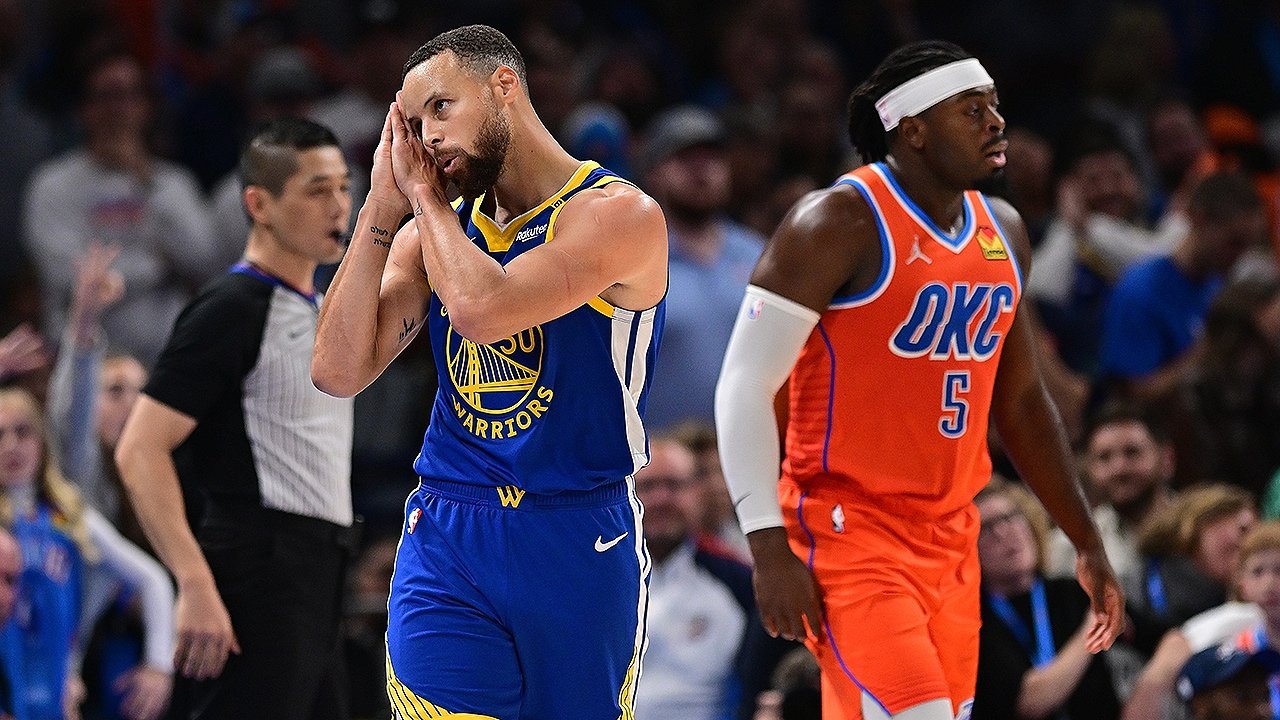
The NBA delivered another spectacle as Warriors vs Thunder clashed in a high-stakes matchup, captivating fans with a blend of strategy, athleticism, and drama. Both teams brought intensity, star power, and tactical ingenuity to the court, making this game a trending highlight in the basketball world today.
Game Context and Team Form
Heading into this matchup, the Golden State Warriors were riding a wave of momentum, leveraging their championship pedigree and depth in shooting talent. The Oklahoma City Thunder, meanwhile, have been demonstrating resilience and tactical versatility, relying on a mix of young talent and veteran leadership to challenge top-tier opponents.
Analysts predicted a dynamic game between the Warriors’ perimeter-heavy offense and the Thunder’s fast-paced, transition-focused style. Both teams have demonstrated contrasting approaches this season, making Warriors vs Thunder a compelling test of adaptability and execution.
Key Moments and Turning Points
The game opened with a rapid scoring exchange, showcasing the Warriors’ renowned three-point efficiency and the Thunder’s aggressive drives to the rim. Stephen Curry’s sharpshooting and Draymond Green’s defensive orchestration were immediately evident for Golden State, while Shai Gilgeous-Alexander spearheaded Oklahoma City’s offense with precision and poise.
A crucial turning point came in the second quarter when the Warriors executed a 10-0 run, leveraging ball movement and spacing to exploit the Thunder’s defensive rotations. However, the Thunder countered in the third quarter with a surge of energy from their bench, emphasizing perimeter shooting and high-speed transition plays to narrow the deficit.
This ebb and flow characterized much of the contest, demonstrating both teams’ capacity to adapt mid-game—a defining feature of Warriors vs Thunder encounters in recent seasons.
Tactical Analysis: Warriors vs Thunder
Golden State Warriors:
- Offense: The Warriors continued their reliance on high-volume three-point shooting, with Curry and Klay Thompson spacing the floor effectively. The offensive system emphasized ball movement, off-ball screens, and pick-and-roll execution to generate open shots.
- Defense: Draymond Green anchored the defense, orchestrating switches, rim protection, and perimeter pressure. Golden State’s defensive versatility was key in limiting Thunder fast-break opportunities.
Oklahoma City Thunder:
- Offense: The Thunder prioritized fast-break scoring and mid-range shooting, leveraging Shai Gilgeous-Alexander’s penetration skills and passing acumen. Role players contributed heavily from the corners and the top of the key, stretching the Warriors’ defensive attention.
- Defense: The Thunder employed aggressive rotations and double-team strategies to disrupt Golden State’s rhythm. Key perimeter defenders contested shots and created turnovers, though occasional lapses allowed the Warriors’ sharpshooters to capitalize.
The strategic chess match highlighted both teams’ strengths and weaknesses. While Golden State excelled in half-court sets and spacing, Oklahoma City’s athleticism and pace challenged the Warriors’ defensive cohesion.
Player Performances to Note
- Stephen Curry (Warriors): Continued to demonstrate elite shooting, court vision, and leadership. His ability to stretch the floor and draw defenders created opportunities for teammates and disrupted the Thunder’s defensive plans.
- Shai Gilgeous-Alexander (Thunder): Delivered a standout performance with scoring efficiency and playmaking, keeping Oklahoma City competitive throughout. His ability to attack the basket and involve teammates was crucial.
- Draymond Green (Warriors): Anchored defense and facilitated offense, exemplifying his value as both a disruptor and initiator in Warriors vs Thunder contests.
Bench contributions also played a critical role, with both teams’ secondary scorers providing momentum shifts and maintaining intensity during key stretches.
Strategic Takeaways and Season Implications
The matchup between Warriors vs Thunder offers several analytical insights for the season:
- Golden State’s Shooting Dependence: While highly effective, the Warriors’ reliance on three-pointers remains a potential vulnerability if opponents disrupt perimeter rhythm.
- Thunder’s Pace and Versatility: Oklahoma City’s ability to leverage young talent in transition and defensive rotations positions them as a rising threat in the Western Conference.
- Impact of Depth: Both teams’ benches were tested, highlighting the growing importance of secondary units in sustaining competitive performance over a full season.
The outcome of this game not only affects standings but also informs coaching strategies, rotational decisions, and player utilization in upcoming matchups.
Fan and Media Reaction
The Warriors vs Thunder contest quickly became a trending topic across social media platforms, with fans praising the high energy, clutch plays, and competitive intensity. Analysts highlighted the tactical depth, individual brilliance, and entertainment value, underscoring why this rivalry continues to generate attention and excitement in the NBA.
Sports media coverage emphasized the contrast in styles—Golden State’s experienced, structured approach versus Oklahoma City’s dynamic, unpredictable pace—highlighting the matchup’s significance in projecting playoff trajectories and team development.
Final Thoughts
The Warriors vs Thunder showdown delivered a memorable combination of athleticism, strategy, and drama, reinforcing both teams’ status as Western Conference contenders. From Curry’s sharpshooting to Gilgeous-Alexander’s leadership, the game offered fans and analysts a rich narrative of skill, adaptation, and intensity.
As both franchises navigate the remainder of the season, insights from this matchup will influence roster management, tactical adjustments, and playoff preparation. For basketball fans, Warriors vs Thunder remains a must-watch event that exemplifies the competitive spirit, entertainment value, and strategic sophistication of the modern NBA.
Credit: SportBuzzHub.com — November 12, 2025