By SportBuzzHub
Strategic Shift & Emerging Roles
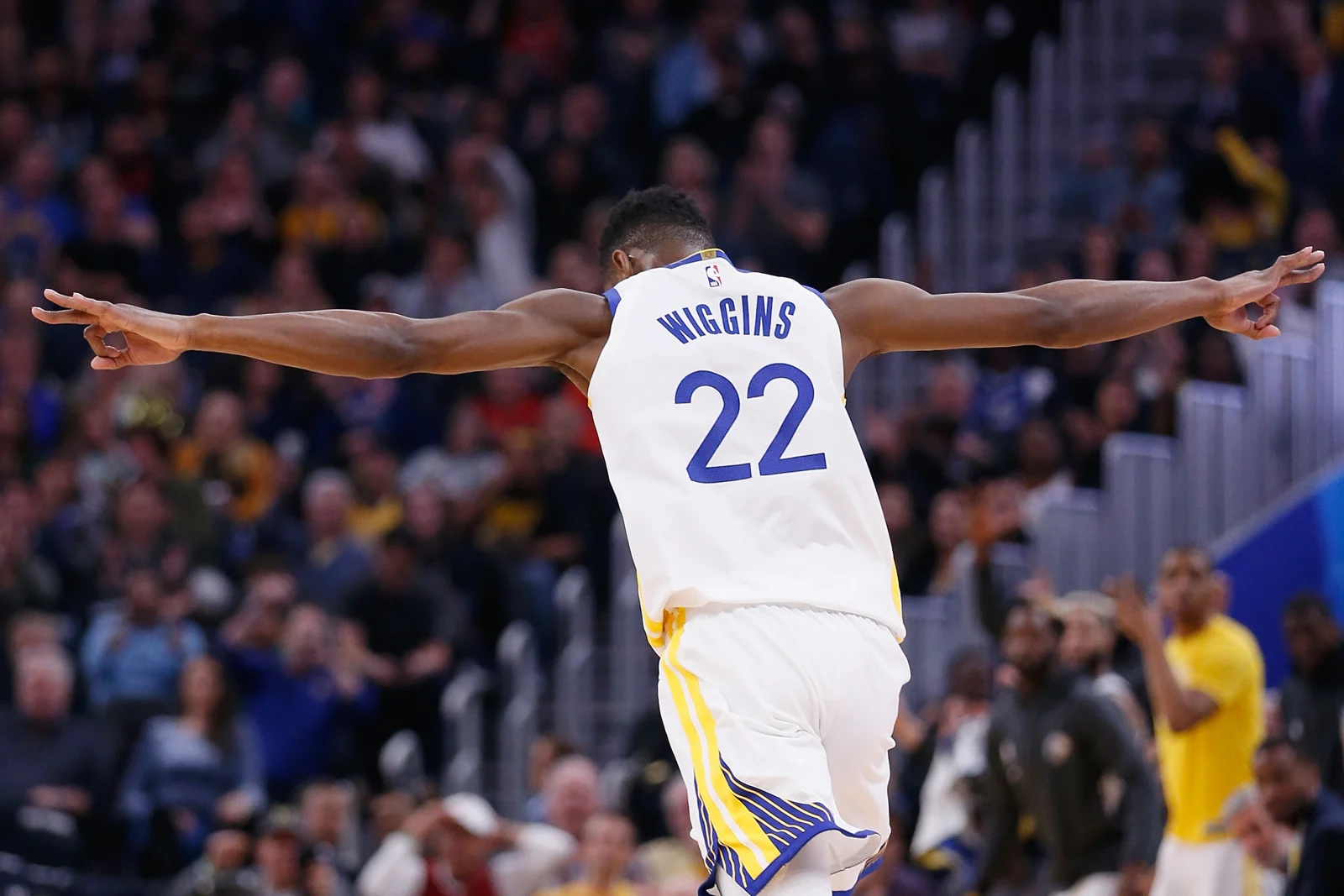
Entering his 12th NBA season, Andrew Wiggins appears to be carving a redefined identity with the Miami Heat—one less reliant on volume scoring and more focused on two‑way value and rotational precision. Early games in the 2025‑26 campaign highlight a player leaning into defensive versatility, rebound work, and opportunistic offense rather than chasing peak scoring.
While his per‑game averages sit around 14 points, 5.5 rebounds, and 2 assists so far this season (with a field‑goal percentage near 50 percent) — numbers respectable but below his previous peaks — the underlying shift in role is significant. StatMuse+2ESPN.com+2
Performance Snapshot & Context
- In openers this season, Wiggins has demonstrated solid efficiency — shooting 50 percent overall and showing stronger rebound numbers (~5.5 per game). ESPN.com
- His defensive contributions, especially at the wing, remain reliable. Miami’s rotation increasingly trusts Wiggins to guard multiple positions, contest shots and initiate transition coverage.
- On the offensive end, Wiggins has had some impactful bursts (e.g., recent 24‑point outing), though his scoring rhythm still fluctuates. Key now is whether he can sustain impact without forcing volume.
This phase of Wiggins’ career resembles a stabiliser more than a star—they’ve brought his proven experience, and now expect him to deliver reliably across team needs rather than occasional highlight breakout.
Why This Matters for the Heat
- Rotation balance and health‑hedge
With Miami navigating injuries and evolving youth roles (e.g., Jaime Jaquez Jr.), Wiggins offers trusted veteran minutes. His improved rebounding and defense relieve pressure on younger wings. - Roster‑identity realignment
The Heat are increasingly operating a hybrid style—defensive‑first, small‑ball capable, with shooting and wing versatility. Wiggins fits that mold: not primary scorer, but reliable contributor who influences more than just points. - Contract and future‑planning implications
Wiggins’ contract and positional flexibility become assets. Whether Miami views him as a cornerstone or bridge veteran could affect upcoming strategic decisions (free‑agency, trades, youth development). - Legacy & championship readiness
As a former champion, Wiggins knows postseason demands. Miami will lean on his experience to fortify a roster that aims not just to play deep but to win. This transitional stage of his career may define his ultimate legacy.
What to Monitor Moving Forward
- Bounce‑back consistency: Will Wiggins string together several games of double‑digit rebounds, efficient shooting and strong defense?
- Offensive volume stabilization: Can he adjust to a complementary scoring role without losing aggression or slipping into passivity?
- Matchup adaptability: How will Miami deploy him vs. elite wings? His ability to guard top‑tier perimeter scorers may be pivotal in playoff matchups.
- Health and minutes management: At age 30, maintaining durability and conditioning is crucial—an area Miami will emphasize as the schedule deepens.
Final Word
Andrew Wiggins is no longer the breakout star he once was, but he might be entering his most sustainable and strategically important phase. For the Heat, his adaptation into a two‑way veteran with steady rebounding, defense and smart scoring may be exactly what the franchise needs. If he thrives here, Wiggins will reshape not just a career resurgence—but a late‑career identity built on team impact, not headline stats.
Credit: SportBuzzHub | Date: November 3, 2025